
The dream of staying youthful has fascinated humanity for generations. From ancient herbal remedies to modern scientific breakthroughs, people have always searched for ways to extend vitality and preserve energy as the years pass.
But today, the conversation around youthfulness is becoming more grounded in science.
The goal is no longer simply to look younger. Instead, modern longevity research focuses on something far more meaningful – staying healthier, stronger, and mentally vibrant for a longer portion of life.
Researchers now refer to this concept as healthspan, the number of years a person lives free from serious disease or disability.
A study conducted by the Stanford Center on Longevity suggests that while life expectancy has increased significantly over the past century, the challenge now is ensuring that these additional years are lived in good health. The study emphasizes that lifestyle choices play a powerful role in determining how the body ages.
One of the most important factors influencing long-term vitality is metabolic health.
Metabolism affects how the body processes energy, regulates blood sugar, and maintains weight balance. Poor metabolic health is closely linked to conditions such as diabetes, cardiovascular disease, and fatigue.
According to research published in Nature Medicine (2019), lifestyle interventions, such as balanced nutrition, regular exercise, and proper sleep, can significantly improve metabolic resilience and slow certain biological markers of ageing.
Sleep itself is another crucial element.
During sleep, the body carries out essential repair processes. Hormones are regulated, brain cells clear metabolic waste, and tissues regenerate. The National Sleep Foundation reports that chronic sleep deprivation is associated with increased risks of obesity, cardiovascular disease, and cognitive decline.
Another emerging focus in longevity science is cellular health.
Our bodies are made up of trillions of cells that continuously repair and replace themselves. Over time, however, these regenerative processes slow down. Research in Cell Journal (2020) indicates that lifestyle factors such as exercise, stress reduction, and nutrient-rich diets can support cellular repair mechanisms and improve overall biological ageing markers.
Physical movement also plays an extraordinary role.
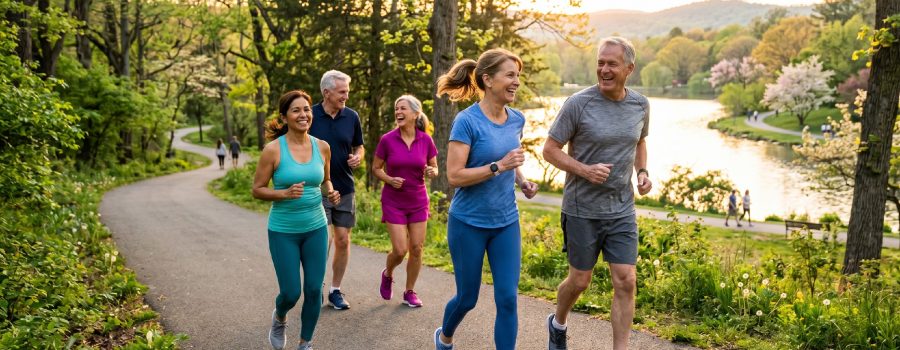
The World Health Organization recommends at least 150 minutes of moderate physical activity each week. Regular exercise not only improves cardiovascular health but also helps preserve muscle mass, strengthen bones, and support cognitive function.
Yet, longevity is not purely physical.
Mental vitality is just as important. Studies from The Harvard Study of Adult Development, one of the longest-running studies on human happiness and health, found that strong social relationships are one of the most powerful predictors of long-term wellbeing.
In other words, staying vibrant is not just about the body.
It is also about maintaining curiosity, connection, and purpose.
The science of longevity is gradually revealing something profound: ageing well is rarely the result of a single breakthrough treatment.
Instead, it is built through small, consistent habits practiced over time.
Better sleep.
Balanced nutrition.
Movement that strengthens the body.
Moments of calm in a busy world.
These quiet decisions accumulate into something powerful, a life that remains energetic, capable, and fulfilling for many years.
The goal is not to stop ageing.
It is to move through it with vitality still intact.